The Dying Gaul
To show the features of classical art and the pursuit of an idealised and naturalistic form I have included The Dying Gaul (Galatian Celt). It is an ancient Roman marble and it is a copy of a Hellenistic work from the third century from Greek art after the death of Alexander the Great.
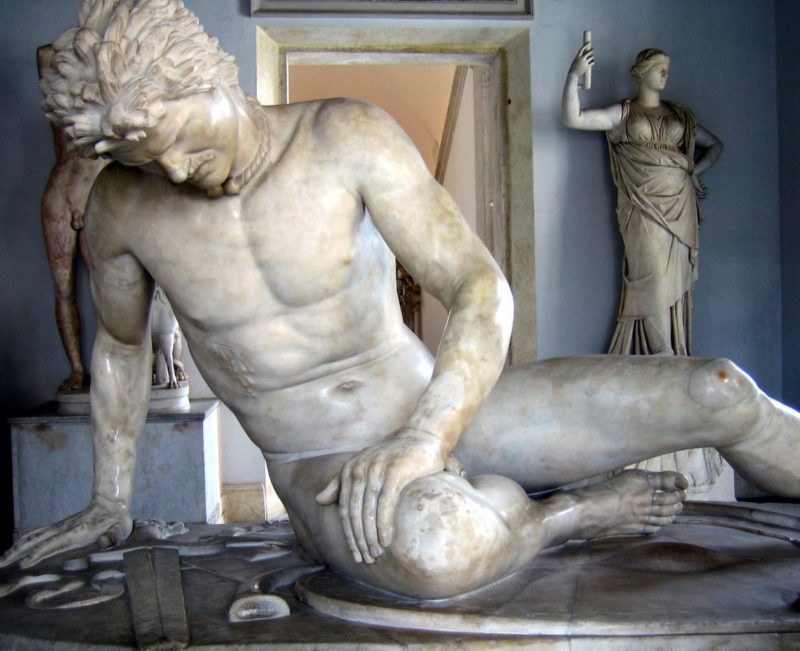
The Greek original is lost and thought to be a bronze sculpture. This sculpture shows the Roman style of classical realism and the heroic element. We can see the Celtic hairstyle, the moustache, the torque and the sword puncture and bleeding wound and the physical perfection of the body. The Celtic warriors did not like to die lying down, and so, we see him sitting on his shield with his sword beside him, and accepting his fate to the last breath. It is an intense, moving, and beautiful work. The sculptor has caught the muscles losing power and the personal courage and strength of the dying Celt. It is not surprising that this classical period was revived when we see beauty and skill like this. It is, of course, captured by an artist, someone with great compassion, awareness, and talent and a master of the marble medium. The creativity of so few can raise the spirit of so many.
Revival of Classical Art
Classical Art rose again after a thousand years and claimed higher learning with the rise of the Renaissance and the later Baroque period (1400 to 1600 AD). The Church benefited by supporting projects to adorn great churches and cathedrals to seduce and draw people into the faith. The Church even charged a fee for the salvation of the soul- better known as a ticket to heaven. Most people lived in fear of hell and they were illiterate, starving and poor. This incredible corruption and more by the Church eventually led to the Reformation.
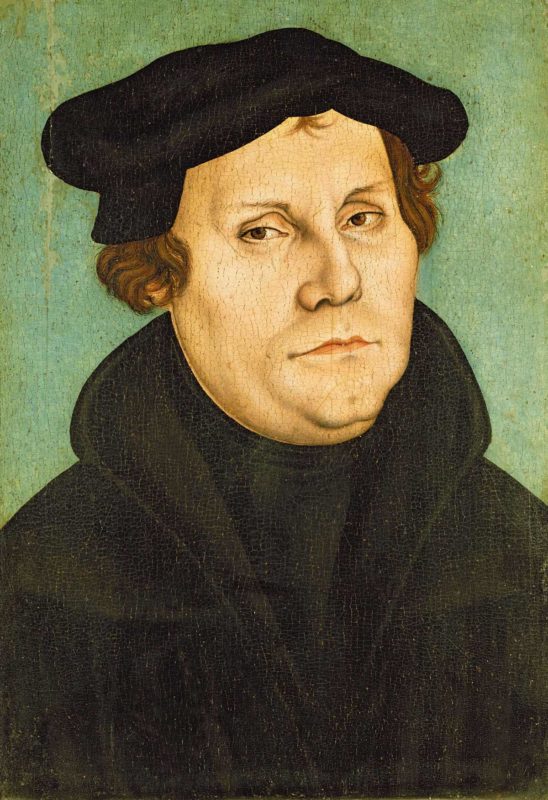
Martin Luther questioned the integrity of the Church and the Reformation was launched. Martin Luther was the leader of Protestant reform against the Roman Catholic Church
Celtic Art was around and evolving at the same time. It was called animal art by the Romans who wrote the history. This animal art did not focus on the perfection and realistic interpretation of the human form in any area, or even idealise the human form. Celtic designs and patterns were abstract and free flowing, geometric and curvilinear and the motifs and symbols were developed from nature and abstracted to make designs. There was a sense of harmony and balance. The art grew and developed on ornaments, jewellery, shields, sword handles and scabbards, helmuts and many other loved items in the form of designs as decorations.
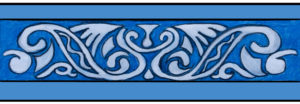
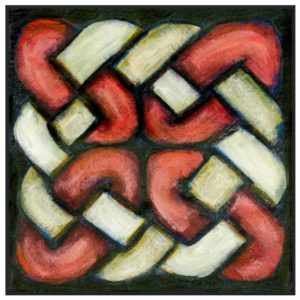
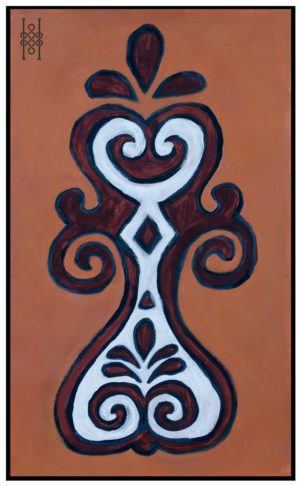
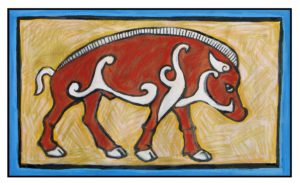
These designs, however, were not just decorative because they grew out of the elements of art itself. Elements that in the visual vocabulary refer to space, line, shape, balance, rhythm, harmony, and the relationship of all these art elements to each other. It was far removed from the photo realism of observation art and the ideas of perspective and the formal rules of Classical correctness and proportion of Roman Classical art. It was and is different.
The differences at the heart of Celtic Art was an attitude that focused on the art itself. Especially design and rhythm. Classical Art for the most part as commissions from the Church was soaked in the power and authority it could exert over others. Celtic Art was completely removed from this idea of power over others.